






Destacados
Soil Scientist, Soil Analyst, Soil Chemist, Soil Conservationist, Soil Ecologist, Soil Technologist, Soil Researcher, Soil Quality Specialist, Soil Fertility Specialist, Soil Technician, Environmental Soil Scientist, Soil Surveyor
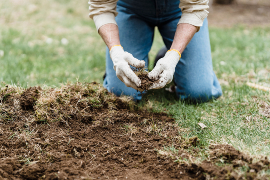
The food you eat, the parks you enjoy, and the clean air you breathe all depend in part on healthy soil. Soil Specialists are the unsung heroes who study and protect this vital natural resource, ensuring that land remains fertile, ecosystems thrive, and environmental challenges are met with smart solutions.
Each day, Soil Specialists analyze soil samples, conduct field surveys, and collaborate with farmers, environmental agencies, and researchers to assess soil health and recommend ways to improve it. They measure soil composition, monitor erosion risks, test nutrient levels, and develop plans to conserve or restore soil quality for agriculture, construction, or habitat preservation.
Using advanced testing tools, geographic information systems (GIS), and scientific methods, Soil Specialists interpret data that helps communities make informed decisions about land use and environmental protection. Their work supports sustainable farming, combats pollution, and preserves biodiversity, making this career essential for a healthier planet.
- Making a tangible impact on environmental conservation and sustainable agriculture
- Using science to solve real-world problems related to food security and climate resilience
- Collaborating with diverse teams, from farmers to government officials, to protect natural resources
- Continuously learning about ecosystems and cutting-edge soil science techniques
Horario de trabajo
Soil Specialists typically work full-time, balancing time between office analysis and outdoor fieldwork. Work environments can vary from laboratories and offices to farms and natural sites. Deadlines often revolve around planting seasons or environmental assessments, and some roles may require travel or flexible hours depending on project needs.
Funciones habituales
- Collecting soil samples from various locations for laboratory analysis
- Conducting field surveys to assess soil erosion, compaction, and contamination
- Testing soil properties such as pH, nutrient content, moisture, and organic matter
- Analyzing data using laboratory equipment and computer software
- Preparing reports and maps to communicate findings to stakeholders
- Advising farmers and land managers on soil management and conservation techniques
- Monitoring the effects of land use changes on soil health
- Researching new methods to improve soil fertility and prevent degradation
- Ensuring compliance with environmental regulations related to soil
- Collaborating with agronomists, ecologists, and environmental planners
Responsabilidades adicionales
- Designing experiments to study soil behavior under different conditions
- Participating in community outreach to educate about soil conservation
- Assisting in grant writing or funding proposals for research projects
- Maintaining and calibrating scientific instruments and field equipment
- Keeping up with scientific literature and attending professional conferences
- Training junior staff or interns in soil sampling techniques
- Contributing to environmental impact assessments
- Supporting restoration projects for degraded land
In the morning, a Soil Specialist reviews recent lab results and plans field sampling routes based on environmental priorities and project goals. They prepare equipment and coordinate with team members to ensure efficient data collection.
Midday involves traveling to sampling sites such as farms, forests, or construction zones. They gather soil samples, measure field conditions, and record observations while ensuring safety protocols. Collaboration with landowners or local officials often occurs to align goals.
Afternoons are spent analyzing samples in the lab or entering data into GIS software. Soil Specialists interpret results, prepare reports, and communicate insights to clients or project managers. They may also attend meetings to discuss conservation strategies or upcoming research.
Habilidades interpersonales
- Critical thinking to interpret complex soil data
- Attention to detail for accurate sampling and analysis
- Communication skills to explain findings clearly to non-experts
- Problem-solving to develop sustainable soil management plans
- Teamwork when collaborating with diverse professionals
- Adaptability to work in varied environments and conditions
- Time management to meet project deadlines
- Curiosity and continuous learning about environmental science
- Patience for long-term research and monitoring
- Observation skills for identifying subtle changes in soil or landscape
- Organization for handling multiple projects simultaneously
- Ethical responsibility toward environmental stewardship
Competencias técnicas
- Soil sampling and testing techniques
- Use of laboratory instruments like spectrometers and pH meters
- Data analysis software including GIS and statistical tools
- Soil classification and taxonomy knowledge
- Understanding of soil chemistry and biology
- Ability to interpret environmental regulations
- Redacción de informes y documentación científica
- Field survey methods and equipment operation
- Remote sensing and mapping technologies
- Familiarity with agricultural practices and conservation methods
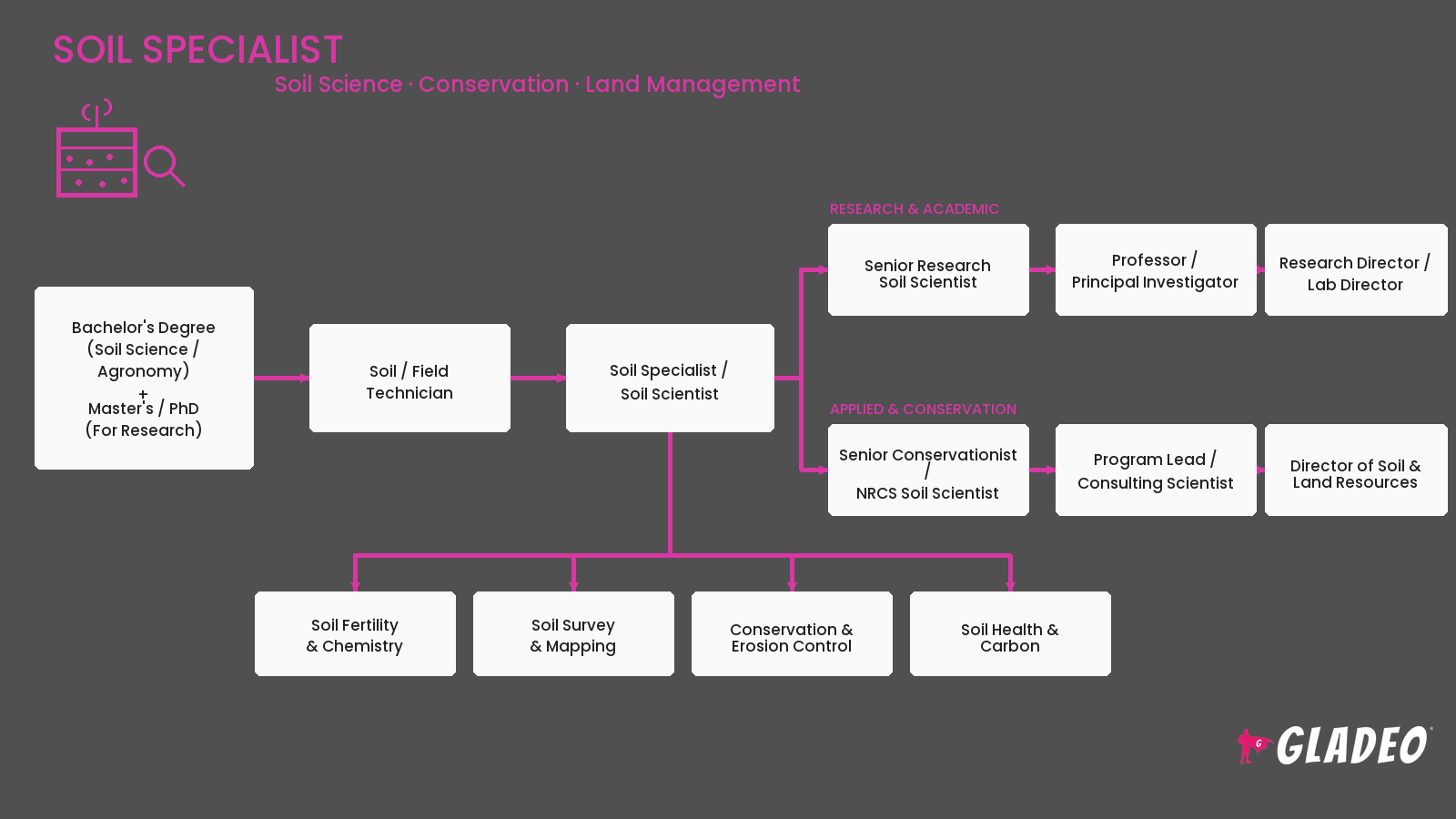
- Agricultural Soil Specialist: focuses on soil fertility and crop production
- Environmental Soil Specialist: studies soil’s role in ecosystems and pollution control
- Soil Conservationist: designs practices to prevent soil erosion and degradation
- Soil Ecologist: investigates soil organisms and their interactions
- Soil Surveyor: maps soil types and properties over geographic areas
- Soil Chemist: analyzes chemical composition and contamination
- Soil Technician: assists specialists with sampling and lab work
- Land Restoration Specialist: works on rehabilitating damaged soils
- Institutos de investigación agrícola
- Organismos de protección del medio ambiente
- Universities and research centers
- Farm cooperatives and agribusinesses
- Natural resource conservation groups
- Government land management departments
- Laboratorios de análisis de suelos
- Empresas de consultoría medioambiental
- Organizaciones medioambientales sin ánimo de lucro
- Servicios forestales
- Mining and construction companies
- Organismos de gestión de los recursos hídricos
Soil Specialists often face deadlines tied to agricultural cycles or environmental regulations, which can create pressure to deliver timely and accurate results. Fieldwork may involve challenging weather or remote locations, requiring physical stamina and flexibility.
Work hours are generally standard but can extend during peak planting seasons, active research projects, or environmental emergencies. Balancing lab analysis with outdoor activities demands versatility and careful planning.
This career requires patience and persistence, as soil research can be slow and complex. Specialists must handle repetitive sampling and data collection while maintaining high precision, often revising reports based on new findings or stakeholder feedback.
- Growing emphasis on sustainable agriculture and soil health
- Increasing use of remote sensing and drone technology for soil mapping
- Advancements in soil microbiome research
- Integration of big data and AI in soil analysis
- Rising concern about soil contamination and remediation
- Development of precision agriculture tools
- Stronger regulations on land use and soil conservation
- Climate change impact studies focused on soil carbon storage
- Collaboration with interdisciplinary environmental teams
- Emerging biodegradable soil sensors and monitoring devices
Kids who become Soil Specialists often love exploring nature—digging in dirt, observing plants, and caring for gardens. They enjoy hands-on science experiments and are curious about how living things and the earth connect.
They might also be drawn to puzzles and problem-solving, fascinated by how things work beneath the surface. Early interests in environmental clubs, farming, or science fairs often hint at a future in soil science.
Becoming a Soil Specialist usually requires a bachelor’s degree in soil science, agronomy, environmental science, or a related field. Many roles also benefit from graduate studies focused on specialized soil research or environmental management.
Los estudiantes pueden cursar asignaturas relacionadas con temas como:
- Ciencia del suelo
- Environmental Biology
- Química
- Geología y Ciencias de la Tierra
- Agronomía
- Ecología y ecosistemas
- Estadística y análisis de datos
- Sistemas de Información Geográfica (SIG)
- Environmental Policy and Regulations
- Laboratory Methods and Safety
Hands-on experience through internships, research projects, or fieldwork is crucial for building skills and a competitive portfolio. Many Soil Specialists continue learning on the job and may earn certifications to advance their careers.
- Take science courses like biology, chemistry, and earth science
- Get involved in environmental or agriculture clubs
- Volunteer for local conservation projects or farms
- Learn computer skills, especially data analysis and GIS
- Participate in science fairs with soil or environmental projects
- Shadow professionals in agriculture or environmental fields
- Develop writing and communication skills
- Explore summer programs focused on agriculture or ecology
- Build a portfolio of science experiments and research
- Consider dual enrollment in college courses related to soil or environmental science
- Attend college info sessions about agriculture and environmental programs
- Seek mentorship from teachers or local specialists
- Choose programs accredited in soil science or agronomy
- Look for schools offering hands-on fieldwork and lab experiences
- Consider programs with strong GIS and data analysis training
- Seek opportunities for internships with farms, environmental agencies, or labs
- Check faculty expertise in soil research and conservation
- Explore interdisciplinary programs combining ecology, chemistry, and geology
- Evaluate availability of scholarships or research funding
- Prefer programs with industry or government partnerships
- Find colleges that support student research and conferences
- Verify access to modern lab equipment and technology
- Look for curriculum including environmental policy and land management
- Choose schools with active alumni networks in agriculture and environment
- Apply for internships or assistant roles in soil testing labs or farms
- Build a detailed portfolio showcasing soil sampling and analysis projects
- Network with professors, local farmers, and environmental organizations
- Attend industry job fairs and environmental conferences
- Prepare for interviews by practicing explanations of soil science concepts
- Obtain necessary certifications or licenses if required
- Volunteer on conservation projects to gain practical experience
- Use online job boards focused on agriculture and environment
- Tailor resumes to highlight relevant coursework and skills
- Seek entry-level positions in government agricultural departments or environmental consultancies
- Consider temporary or seasonal work to build experience
- Keep learning about the latest soil science tools and methods
- Gain advanced degrees like a master’s or PhD for research and leadership roles
- Develop expertise in specialized areas such as soil microbiology or GIS mapping
- Publish research findings in scientific journals to build reputation
- Take leadership roles in projects and mentor junior staff
- Expand professional network through memberships in soil science associations
- Pursue certifications like Certified Professional Soil Scientist (CPSS)
- Stay current on environmental laws and technological advances
- Explore consulting or teaching opportunities to diversify experience
Páginas web:
- Sociedad Americana de Ciencias del Suelo (soils.org)
- Natural Resources Conservation Service (nrcs.usda.gov)
- International Union of Soil Sciences (iuss.org)
- Sociedad Americana de Agronomía (agronomy.org)
- Environmental Protection Agency Soil Programs (epa.gov/soil)
- United Nations Food and Agriculture Organization (fao.org/soils)
- National Association of Conservation Districts (conservationdistricts.org)
- AgCareers (agcareers.com)
- Sociedad Ecológica de Estados Unidos (esa.org)
- Servicio de Investigación Agrícola (ars.usda.gov)
- Global Soil Partnership (globalsoilpartnership.org)
- ScienceDaily Soil News (sciencedaily.com/news/earth_climate/soil)
- LinkedIn Soil Science Groups
- ResearchGate Soil Science Community
Libros:
- The Nature and Properties of Soils by Nyle C. Brady and Ray R. Weil
- Introduction to Soil Science by B. Dale
- Soil Microbiology, Ecology, and Biochemistry by Eldor A. Paul
- Soils and Environmental Quality by Donald L. Sparks
- Fundamentals of Soil Science by Henry D. Foth
If a career as a Soil Specialist doesn’t fit, there are many related fields where your passion for earth science and the environment can shine.
- Científico medioambiental
- Agrónomo
- Científico especializado en conservación
- Ecologista
- Geólogo
- Hidrólogo
- Técnico agrícola
- Guarda forestal
- Consultor medioambiental
- Guía forestal
Haz clic aquí para descargar la infografía
Sección de noticias

Ofertas de empleo destacadas
Cursos y herramientas en línea