




Destacados
Diseñador de identidad de marca, diseñador de marca, especialista en identidad corporativa, diseñador de identidad visual, diseñador y estratega de marca, diseñador de marketing, diseñador de identidad gráfica, diseñador de logotipos e identidad, diseñador de sistemas de marca, especialista en imagen corporativa
Los diseñadores de marca e identidad corporativa se encargan de crear la identidad visual y la imagen global de una empresa, organización o producto. Diseñan logotipos, paletas de colores, tipografías, estilos de embalaje y directrices de marca que definen el aspecto y la percepción de una marca en todas las plataformas.
Estos profesionales colaboran estrechamente con los equipos de marketing, los empresarios y los directores creativos para garantizar que una marca transmita el mensaje adecuado a su público. Su trabajo ayuda a las empresas a destacar, a generar confianza y a crear una identidad coherente en anuncios, páginas web, redes sociales y productos físicos.
Los diseñadores de marca combinan creatividad, psicología y conocimientos de marketing para desarrollar identidades visuales sólidas que reflejen los valores, la misión y la personalidad de una empresa. A menudo crean sistemas de marca completos que sirven de guía para el uso futuro de cada elemento visual.
«Un logotipo no es una marca; es solo un símbolo de una marca...» — Marty Neumeier, experto en marcas
- Ayudamos a las empresas a crear identidades de marca sólidas y memorables
- Ver cómo se utilizan tus diseños en productos, páginas web, anuncios y envases
- Utilizar la creatividad para transmitir visualmente el mensaje y los valores de una empresa
- Trabajamos con una gran variedad de clientes, sectores y estilos de diseño
- Ayudamos a las empresas a establecer un vínculo emocional con sus clientes
- Desarrollar habilidades de diseño que puedan aplicarse en numerosos sectores creativos
- Oportunidades para trabajar por cuenta propia, montar tu propio estudio o trabajar para grandes marcas
- Colaborar con equipos de marketing, fotógrafos, redactores y directores creativos
- Mantenerse al día de las tendencias de diseño, la tecnología y la narración visual
- Crear un trabajo que pueda tener un impacto duradero en el éxito de una empresa
Horario de trabajo
Horario laboral: Los diseñadores de marca suelen trabajar a tiempo completo en agencias, estudios o departamentos de marketing de empresas. Los autónomos pueden tener horarios flexibles, pero a menudo trabajan con plazos muy ajustados, sobre todo durante los lanzamientos de marcas o las campañas de marketing.
Funciones habituales
- Crear logotipos, marcas corporativas y sistemas de identidad visual
- Elaborar unas directrices de marca en materia de tipografía, paletas de colores y maquetación
- Diseñar envases, materiales de marketing y anuncios publicitarios
- Colaborar con los equipos de marketing y las partes interesadas de la empresa
- Investigar los públicos objetivo, la competencia y las tendencias del sector
- Presentar a los clientes los conceptos de marca y las propuestas de diseño
- Perfeccionar los diseños a partir de los comentarios y las revisiones recibidos
- Garantizar la coherencia de la marca en todas las plataformas digitales e impresas
- Crear recursos visuales para páginas web, redes sociales y campañas
- Colaborar con redactores publicitarios, estrategas y desarrolladores web
- Preparar los archivos de diseño definitivos para la producción y la publicación
- Gestionar varios proyectos de imagen de marca al mismo tiempo
Responsabilidades adicionales
- Realizar estudios sobre la marca y análisis de mercado
- Elaborar tableros de inspiración y conceptos de dirección visual
- Elaborar presentaciones de propuestas para clientes o partes interesadas
- Mantente al día de las tendencias de diseño y las estrategias de marca
- Colaborar con los equipos de UI/UX para mantener la coherencia de la imagen de marca digital
- Gestionar los contratos de autónomos y la comunicación con los clientes
- Crear y mantener un buen portfolio profesional
- Colaborar con imprentas, fabricantes y equipos de producción
Un diseñador de marca suele empezar el día revisando los comentarios de los clientes, comprobando los plazos de los proyectos y perfeccionando los conceptos de diseño. Dedica gran parte de la jornada a trabajar con programas de diseño, crear logotipos, ajustar maquetaciones y desarrollar sistemas de identidad de marca.
También asisten a reuniones con clientes o equipos de marketing para presentar ideas y recibir comentarios. La investigación es una parte importante del trabajo, lo que incluye el análisis de la competencia y el conocimiento del público objetivo.
Más tarde, perfeccionan los elementos visuales, preparan presentaciones y exportan los archivos de diseño definitivos. Los autónomos también pueden dedicar tiempo a buscar nuevos clientes, actualizar sus portafolios y gestionar tareas administrativas.
Habilidades interpersonales
- Pensamiento creativo
- Visión artística
- Buenas habilidades comunicativas
- Atención al detalle
- Resolución de problemas
- Gestión del tiempo
- Capacidad de adaptación
- Toma de decisiones
- Colaboración
- Trabajo en equipo
- Habilidades de presentación ante los clientes
- Capacidad para gestionar los comentarios y las revisiones
Competencias técnicas
- Diseño de logotipos e identidad corporativa
- Tipografía y diseño de maquetación
- Teoría del color y sistemas de imagen de marca
- Adobe Photoshop, Illustrator e InDesign
- Desarrollo de directrices de marca y elaboración de una guía de estilo
- Diseño de envases y de material de marketing
- Principios básicos de diseño de UX/UI y comprensión de las interfaces digitales
- Conocimientos sobre la producción de diseños digitales e impresos
- Preparación de archivos para impresión, web y flujos de trabajo de producción
- Técnicas de narración visual y de composición
- Desarrollo del sistema de marca en múltiples plataformas
- Diseñadores de identidad corporativa: crean sistemas de marca completos para grandes empresas y corporaciones
- Diseñadores de logotipos: se especializan en la creación de logotipos únicos y memorables
- Diseñadores de envases: se centran en el embalaje de los productos y la imagen de marca en el punto de venta
- Diseñadores de marcas digitales: crean identidades de marca para sitios web, aplicaciones y plataformas de redes sociales
- Diseñadores de marca autónomos: Trabaja de forma independiente con múltiples clientes de distintos sectores
- Diseñadores de imagen de marca en agencias: trabajan en agencias creativas gestionando varias cuentas de marcas
- Agencias de publicidad
- Estudios de imagen de marca y diseño
- Agencias de marketing
- Departamentos de marketing de las empresas
- Empresas tecnológicas y startups
- Empresas de comercio electrónico
- Editoriales
- Empresas de medios de comunicación y entretenimiento
- Mercados para autónomos y plataformas creativas
- Empresas de consultoría y de imagen de marca
Trabajar como diseñador de marca e identidad corporativa implica encontrar constantemente el equilibrio entre la creatividad y las expectativas del cliente y los objetivos empresariales. Los proyectos suelen conllevar plazos ajustados, múltiples rondas de revisión y la necesidad de ajustarse a unas estrictas directrices de marca. Es posible que tengas que ajustar o perfeccionar tus ideas originales en numerosas ocasiones en función de los comentarios del cliente, incluso cuando ello suponga un desafío para tu visión creativa. El trabajo también puede implicar largas jornadas, especialmente cuando hay que gestionar varios proyectos de marca o preparar presentaciones para los clientes.
A cambio, obtienes la satisfacción de ver cómo tu trabajo creativo influye en la forma en que la gente percibe las marcas y se identifica con ellas en su día a día.
- Estilos de diseño de logotipos minimalistas y limpios, centrados en la sencillez y en un fuerte reconocimiento visual
- Imagen de marca en movimiento y logotipos animados utilizados en sitios web, aplicaciones y plataformas de redes sociales
- Herramientas de diseño asistidas por IA que agilizan los procesos de generación de ideas, creación de maquetaciones y desarrollo de marcas
- Sistemas de imagen de marca adaptables que se ajustan a la perfección a cualquier dispositivo digital y tamaño de pantalla
- Una imagen de marca sostenible y respetuosa con el medio ambiente que refleje la responsabilidad medioambiental y los valores éticos de
- Marca personal para influencers, emprendedores y profesionales que desarrollan su identidad en línea
- Diseño de marca en 3D y de identidad visual inmersiva que aporta profundidad y genera interés
- Estrategias de marca centradas en las redes sociales y adaptadas a plataformas como Instagram, TikTok y YouTube
- Logotipos dinámicos que cambian o se adaptan en función del contexto, la plataforma o el público
- Un marcado énfasis en la narración de historias en los sistemas de identidad de marca para crear vínculos emocionales con el público
Los diseñadores de marcas e identidad corporativa suelen ser personas con una creatividad innata a las que les gusta dibujar, diseñar y expresar ideas de forma visual. De niños o adolescentes, es posible que les encantara hacer carteles, personalizar proyectos escolares o experimentar con colores, tipografías y maquetaciones simplemente por diversión. A muchos les atrajo desde muy temprano el arte, el diseño y la narración de historias, ya fuera a través de clases de arte, aficiones relacionadas con el diseño digital, la creación de contenidos para redes sociales o ayudando a amigos y organizaciones escolares con logotipos y elementos visuales creativos.
- Se suele dar preferencia a los titulados universitarios en diseño gráfico, comunicación visual, imagen de marca, diseño de marketing o un campo relacionado, aunque no siempre es un requisito imprescindible.
- Es fundamental contar con un buen portafolio que muestre diseños de logotipos, sistemas de identidad de marca y narración visual para acceder a oportunidades laborales.
- La experiencia práctica adquirida a través de prácticas, trabajos como autónomo o formación en agencias creativas resulta muy valiosa
- Para la mayoría de los puestos se requiere un buen dominio de Adobe Creative Suite, especialmente de Illustrator, Photoshop e InDesign.
- Conocer los principios del marketing, el comportamiento de los consumidores y la estrategia de marca ayuda a crear identidades de marca eficaces.
- Algunos diseñadores realizan cursos breves o obtienen titulaciones en imagen de marca, tipografía, teoría del color y diseño de UX/UI.
- Es importante tener conocimientos sobre producción impresa, medios digitales y preparación de archivos para diversas plataformas
- Los autónomos suelen desarrollar sus habilidades a través de proyectos reales para clientes, el aprendizaje autónomo y el desarrollo continuo de su portafolio.
- La experiencia con herramientas colaborativas y programas de presentación resulta útil para las presentaciones a clientes y los proyectos en equipo
- La formación continua en tendencias de diseño, tecnología y comunicación visual es esencial para mantener la competitividad en este ámbito.
- Asiste a clases de arte, diseño gráfico, marketing, comunicación o tecnologías de la información y la comunicación
- Practica con regularidad la creación de logotipos, el diseño de carteles y la ilustración digital
- Aprende a utilizar Adobe Illustrator, Photoshop, InDesign y otras herramientas de diseño
- Únete a clubes de arte, equipos de comunicación, al equipo del anuario o a organizaciones creativas
- Crea identidades de marca ficticias para eventos escolares, pequeñas empresas o proyectos personales
- Crea y actualiza constantemente un buen portafolio de diseño en el que se muestren tus mejores trabajos
- Sigue las tendencias en materia de imagen de marca y estudia las marcas internacionales de éxito para inspirarte y analizarlas
- Participa en concursos de diseño, competiciones y retos creativos
- Realizar prácticas en estudios de diseño, agencias de publicidad o departamentos de marketing
- Aprende los conceptos básicos de los negocios, la publicidad, el comportamiento del consumidor y la psicología
- Ofrécete como voluntario para diseñar materiales para organizaciones escolares, eventos o proyectos comunitarios
- Experimenta con la imagen personal a través de las redes sociales o las plataformas de diseño en línea
- Cursos sobre imagen de marca, tipografía y diseño de identidad visual
- Formación en Adobe Creative Suite (Illustrator, Photoshop, InDesign) y otras herramientas estándar del sector
- Proyectos prácticos de imagen de marca que ayudan a crear un sólido portfolio profesional
- Oportunidades de prácticas en agencias de diseño, empresas de marketing o departamentos de imagen corporativa
- Participación en proyectos reales para clientes que simulan el trabajo profesional de diseño
- Profesores con experiencia profesional en el ámbito del branding, la publicidad o el diseño de comunicación visual
- Un enfoque firme tanto en el desarrollo creativo como en la estrategia de marketing y de marca
- Oportunidades para establecer contactos con profesionales creativos, agencias y socios del sector
- Acceso a herramientas de diseño modernas, programas informáticos y recursos de producción digital
- Programas que abarcan tanto las aplicaciones de imagen de marca en formato impreso como en formato digital
- Apoyo en la elaboración del portafolio para preparar a los estudiantes para las prácticas y las solicitudes de empleo
- Un plan de estudios que fomenta la colaboración, el espíritu crítico y la resolución de problemas de diseño del mundo real
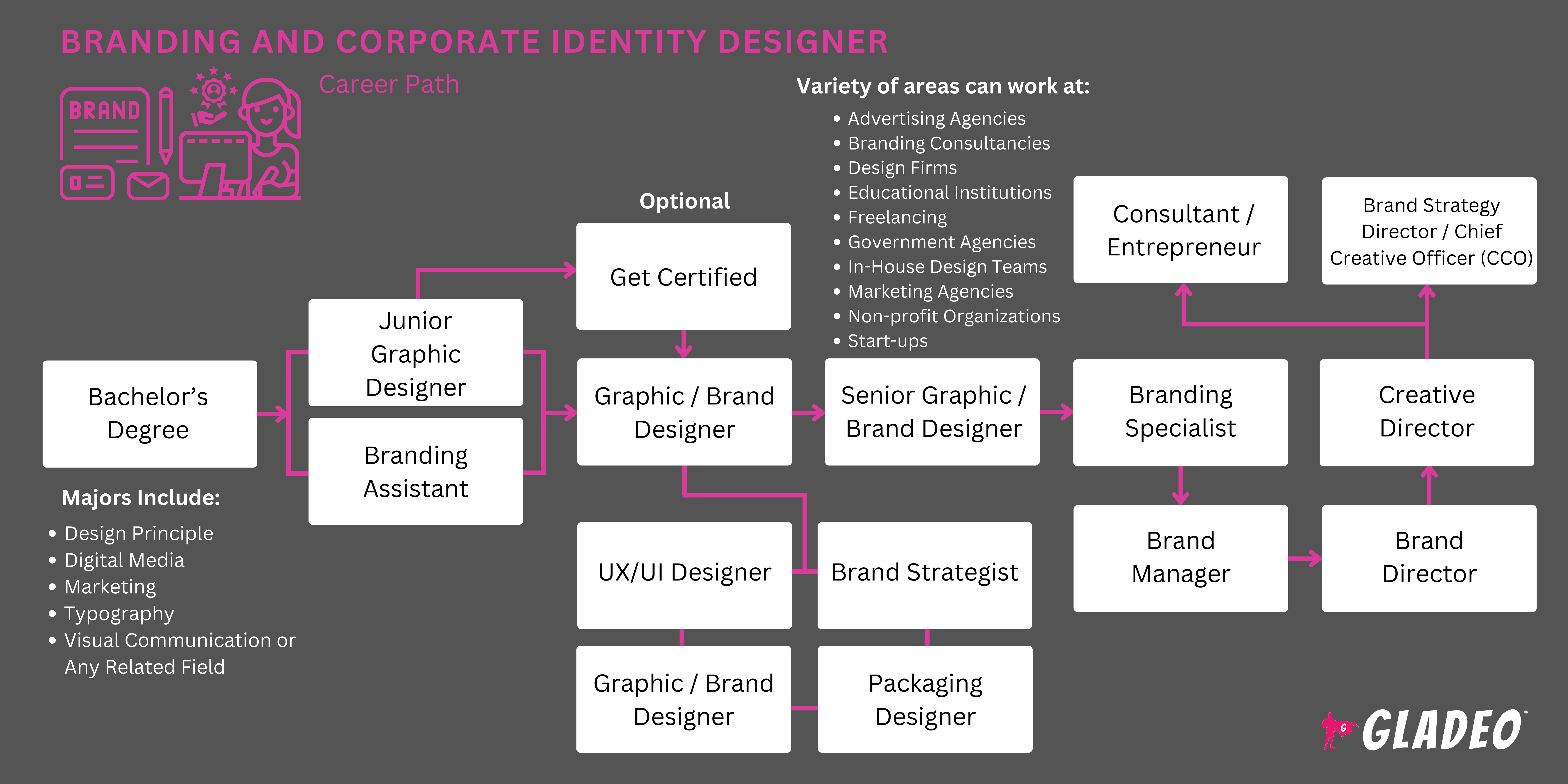
- Crea un buen portafolio que incluya logotipos, sistemas de identidad de marca, maquetas de envases y proyectos de imagen de marca, tanto reales como conceptuales.
- Solicita puestos de diseñador junior, asistente de imagen de marca o becario de diseño visual
- Acepta proyectos como autónomo para pequeñas empresas, startups, organizaciones escolares o clientes online
- Dominar programas informáticos estándar del sector, como Adobe Illustrator, Photoshop e InDesign, así como conocimientos básicos de Figma
- Realizar prácticas en agencias de imagen de marca, agencias de publicidad o departamentos de marketing de empresas
- Establece contactos con diseñadores, directores creativos, especialistas en marketing y otros profesionales a través de eventos y plataformas en línea
- Crea una página web profesional con tu portafolio y desarrolla una imagen de marca personal coherente
- Participa en comunidades de diseño, retos y concursos para ganar visibilidad y adquirir experiencia
- Mantente al día de las tendencias en imagen de marca, las herramientas de diseño y los estilos visuales emergentes del sector
- Practica cómo presentar tus conceptos de diseño con claridad y seguridad durante las entrevistas y las presentaciones ante los clientes.
- Pide opiniones a tus mentores y perfecciona continuamente tu portafolio basándote en sus comentarios
- Desarrollar sólidas habilidades de comunicación para explicar de forma eficaz las decisiones de diseño y las estrategias de marca
- Ofrécete como voluntario para participar en proyectos de diseño reales y así adquirir experiencia y credibilidad desde el principio
- Desarrollar conocimientos especializados en estrategia integral de marca y sistemas completos de identidad corporativa para diversos sectores
- Asume proyectos de imagen de marca de mayor envergadura —ya sean corporativos, nacionales o internacionales— que presenten una mayor complejidad y visibilidad.
- Mejorar las habilidades en materia de narración, estrategia de marketing y posicionamiento de marca para crear trabajos más impactantes
- Establecer relaciones a largo plazo con clientes, agencias y socios corporativos
- Avanza hacia puestos de diseñador sénior, diseñador jefe o director creativo con mayor responsabilidad
- Especialízate en áreas de gran demanda, como el branding en movimiento, los sistemas de identidad digital o el branding orientado a la experiencia de usuario (UX)
- Orientar y guiar a los diseñadores noveles para que desarrollen habilidades de liderazgo y gestión de equipos
- Plantéate crear tu propio estudio de imagen de marca, agencia creativa o empresa de consultoría por cuenta propia
- Mantente al día sobre las herramientas de diseño basadas en IA, los flujos de trabajo automatizados y las tendencias globales en materia de imagen de marca
- Desarrolla un estilo de diseño único y reconocible que haga que tu trabajo destaque en el sector
- Ampliar los conocimientos sobre estrategia empresarial, psicología de la marca y comportamiento del consumidor
- Asumir la responsabilidad de proyectos completos, desde el desarrollo del concepto hasta la ejecución final y el lanzamiento de la marca
Páginas web:
- Behance
- Dribbble
- AIGA
- A estrenar (en estudio)
- Creative Bloq
- Smashing Magazine
- Semana del Diseño
- Adobe Creative Cloud
- Blog de 99designs
- The Dieline
- Escuela de Diseño de Canva
- Inspiración en el diseño
- Logo Lounge
- Abduzeedo
- SiteInspire
- «It’s Nice That»
- Blog de Creative Market
- Pinterest (para tableros de inspiración y ideas)
- Design Observer
Libros:
- «Logo Design Love», de David Airey
- «The Brand Gap », de Marty Neumeier
- «Diseño de identidad de marca», de Alina Wheeler
- «No me hagas pensar», de Steve Krug
- «Thinking with Type », de Ellen Lupton
- Cómo utilizar el diseño gráfico para vender, explicar y mejorar el aspecto de las cosas, de Michael Bierut
El trabajo de un diseñador de marca e identidad corporativa puede ser apasionante y muy creativo, pero también conlleva retos. Cumplir con plazos ajustados, gestionar los comentarios y las revisiones de los clientes, y compaginar varios proyectos de marca al mismo tiempo puede que no sea lo más adecuado para todo el mundo. Si tienes curiosidad por conocer otras profesiones relacionadas que requieran habilidades similares en diseño, creatividad y marketing, ¡echa un vistazo a las sugerencias que te ofrecemos a continuación!
- Diseñador gráfico
- Director artístico
- Diseñador de UI/UX
- Diseñador de gráficos en movimiento
- Director creativo de publicidad
- Diseñador de envases
- Diseñador visual
- Diseñador web
- Especialista en marketing digital
- Coordinador de marketing
- Estratega de marca
- Director creativo
- Ilustrador
- Redactor publicitario (imagen de marca y publicidad)
Sección de noticias

Ofertas de empleo destacadas
Cursos y herramientas en línea
Expectativas salariales anuales
Los nuevos trabajadores empiezan con un sueldo de unos 60 000 dólares. El sueldo medio es de 82 000 dólares al año. Los trabajadores con mucha experiencia pueden llegar a ganar unos 145 000 dólares.
Expectativas salariales anuales
Los nuevos trabajadores empiezan con un sueldo de unos 58 000 dólares. El sueldo medio es de 91 000 dólares al año. Los trabajadores con mucha experiencia pueden ganar unos 91 000 dólares.